
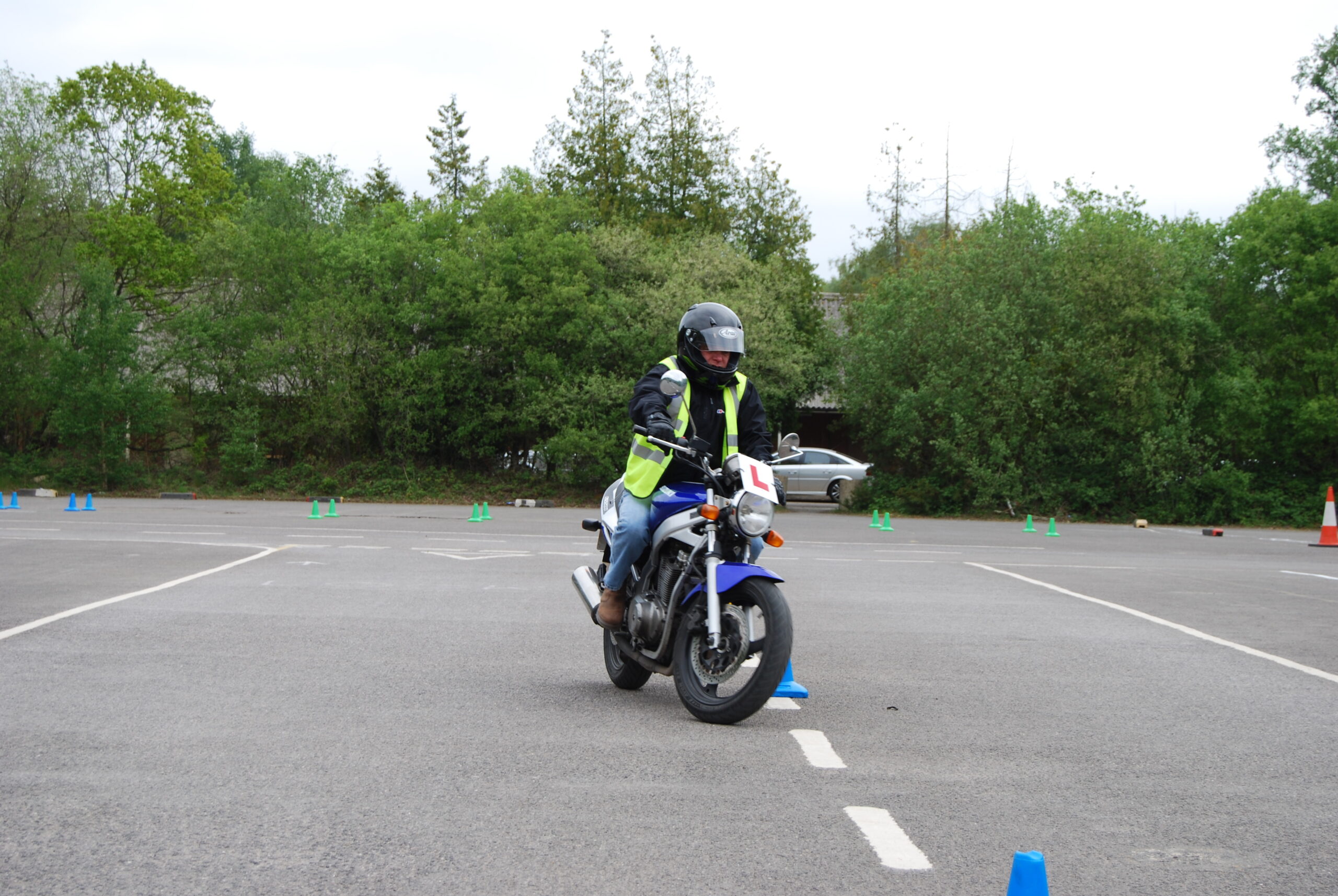
A rider job is more than moving food from one place to another. It can also provide valuable learning opportunities. For many workers, daily riding can build skills that support long-term career growth. The UAE delivery sector depends heavily on reliable riders. Restaurants, supermarkets, and delivery platforms need trained workers every day. Therefore, riders gain useful experience while completing their duties. Does a rider job in the UAE offer continuous learning? The answer depends on the company, role, and training system. Some businesses provide regular training and practical mentorship. Other firms offer learning mostly during onboarding. However, riders can still develop useful skills through daily work.People searching for Jobs in UAE should consider this learning potential. A rider role helps workers improve road awareness, communication, technology use, customer service, and time management.
How Jobs in UAE Support Daily Learning
Learning does not always happen inside a traditional classroom. Riders learn through training sessions, practical work, customer feedback, and new duties.
First, new riders learn how their employer operates. They receive guidance about delivery rules, road safety, customer service, and company policies.
Next, riders gain practical experience on the road. They learn how to plan routes and manage heavy traffic.
Delivery technology changes regularly. Riders must use mobile applications, navigation tools, payment systems, and delivery platforms. As a result, the job encourages continuous skill development.
The learning process continues when riders receive feedback from managers. Constructive feedback helps workers spot mistakes and improve their daily performance.
What Skills Do Riders Build?
A rider job teaches several practical skills. These abilities remain useful in many other employment opportunities.
- Road Safety Mastery: Safety is a primary focus. Riders learn traffic rules and safe riding habits. They also spot risks before problems occur. For example, riders handle busy roads, bad weather, and new locations.
- Smart Route Planning: Delivery riders visit many different neighborhoods. Therefore, they must master maps and GPS tools. They learn to pick efficient routes, which saves time while maintaining safe habits.
- Customer Communication: A rider represents the delivery company. Good communication skills matter greatly. Riders learn to greet customers politely and resolve delays calmly.
- Digital Literacy: Modern delivery relies on mobile apps. Riders use apps to accept orders, update status, and chat with support. Consequently, they build strong digital skills over time.
Training Programs for New Riders
New riders need support before starting independent delivery work. Onboarding covers safety, app usage, and customer service standards.
Some employers provide hands-on guidance during the first week. Experienced riders often mentor new workers to explain common workplace challenges. This mentorship makes the career transition much smoother.
Training quality varies between employers. Applicants should ask recruiters smart questions before accepting an offer:
- Does the company offer a full onboarding program?
- Is structured road safety training included?
- Do riders get guidance on navigation apps?
- Are refresher courses offered to current staff?
Asking these questions helps workers find employers that value staff development.
Jobs in UAE and Ongoing Safety Courses
Road safety must remain a constant priority. Traffic conditions, road layouts, weather, and delivery locations change every day.
For this reason, regular refresher courses are very helpful. Employers remind riders about defensive riding techniques. Furthermore, riders learn from real situations they face on the road.
A rider may notice that specific roads get blocked during peak hours. That experience improves future route planning.
Similarly, riders learn how to handle vehicle breakdowns or hard-to-find delivery spots. Practical experience constantly expands a rider’s skill set.
Career Progression and Growth Opportunities
A rider job does not have to be a permanent position. Skilled workers who perform well can step into higher roles over time.
Riders can advance into several distinct staff positions:
- Senior Rider or Field Trainer
- Fleet Coordinator
- Delivery Supervisor
- Logistics Support Assistant
- Team Leader
These advanced roles require clear communication and leadership. Riders who focus on learning prepare themselves for these internal promotions. Safe driving records, good attendance, and reliability strongly support career progression.
How Employers Boost Learning
Employers play a major role in workforce development. Successful companies treat training as an ongoing process rather than a one-time event.
Brief safety meetings keep riders informed about new traffic laws. Feedback sessions highlight specific areas for personal growth. Peer mentorship helps new hires learn practical tips from senior staff.
For staffing and outsourcing businesses, this focus creates a stronger workforce. Companies like Simba Requirement focus on connecting businesses with flexible, skilled talent. Their approach highlights the value of reliable staffing solutions and operational growth.
In the food delivery space, specialized rider providers offer well-trained teams. Simba Rider Delivery provides professional food delivery rider services designed for speed, reliability, and scale. Their trained riders help food businesses maintain high service standards.
Opportunities for Ugandan Workers
Many people looking for jobs in Uganda explore international work options. Moving abroad opens doors to new professional experiences.
For Ugandan workers, riding in the Gulf offers exposure to advanced logistics. They learn international customer service standards and modern delivery methods.
They also gain hands-on experience with advanced management technology. Working alongside diverse teammates builds strong cross-cultural communication skills.
People searching for jobs in Uganda today should evaluate international offers carefully. Looking beyond basic salary helps workers find jobs with true growth potential.
Training, safety support, and transferable skills matter just as much as monthly pay. Candidates must always verify contract conditions before moving abroad.
For those exploring jobs jobs in Uganda, international experience often leads to better opportunities back home. Skilled returnees can take on managerial roles in local logistics firms.
Looking at current jobs in Uganda today, the demand for experienced logistics managers continues to rise. Overseas rider experience offers a practical stepping stone toward those higher-level careers.
Taking Control of Personal Skill Growth
Employers provide tools, but riders must take personal initiative. Ambitious workers actively seek ways to improve their daily work habits.
A rider can learn by asking supervisors for constructive feedback. Studying city maps during free time improves navigation speed.
Practicing clear, polite responses helps handle difficult customer interactions. Learning from minor mistakes prevents repeat errors on future routes.
For example, a rider who faces frequent traffic delays can study alternative side streets. Another rider who struggles with app features can ask teammates for quick tutorials. Small daily adjustments build impressive professional skills over time.
Why Skill Building Helps Employers and Staff
Continuous learning makes a rider far more valuable. Skilled riders work with greater confidence, speed, and safety.
Efficient navigation cuts unnecessary delivery delays. Strong customer service raises overall satisfaction scores. Proper safety knowledge reduces road accidents and bike maintenance costs.
Furthermore, tech-savvy riders adapt quickly when companies update their delivery software. These advantages matter to businesses that rely on fast, dependable operations.
For workers, the benefits extend far beyond their current contract. Skills built during delivery work support long-term careers in logistics, transport, sales, and operations management.
Questions to Ask Before Accepting a Role
Candidates should research prospective employers carefully. It is crucial to understand salary terms, working hours, housing options, and transport benefits.
Learning opportunities deserve equal attention during job interviews. Applicants should ask direct questions about ongoing training programs:
- Does the employer provide safety updates?
- How does the company evaluate monthly performance?
- Are there clear paths for internal promotion?
Clear answers help job seekers pick companies that invest in their staff. This practice keeps workers from choosing jobs based only on short-term pay.
Building Success Through Daily Effort
A successful delivery rider builds more than basic driving skills. They master time management by meeting strict delivery deadlines.
They build patience through daily interactions with customers and dispatchers. They develop sharp spatial awareness by navigating complex urban roads.
They master modern software by using live tracking systems. They also build real problem-solving skills when handling sudden schedule changes.
Together, these abilities form a solid professional foundation. A rider role serves as a practical entry point into the broader logistics sector. Workers who stay curious and keep learning create promising career paths.
Conclusion
Does a rider job offer continuous learning? Yes, provided the employer supports training, mentorship, and career growth. Riders gain safety knowledge, route skills, customer experience, and tech familiarity through daily tasks.
Dedicated riders can advance into supervisor, trainer, or coordinator positions. When evaluating Jobs in UAE, job seekers should weigh learning opportunities alongside basic wages.
Similarly, workers exploring jobs in Uganda or overseas roles should choose companies that value staff development. A rider role can be far more than a basic delivery job. With the right mindset and a supportive company, it becomes a rewarding step toward dynamic career growth.