
A rider job in the UAE offers solid employment opportunities for skilled individuals. However, delivery riders (jobs in UAE ) spend long hours navigating busy highways and streets. Therefore, safety and security must remain top priorities for every worker. Riders face unique challenges during daily shifts. Heavy traffic, extreme summer heat, and unexpected mechanical issues create real risks. Employers must establish strict safety protocols to protect their workforce on the road.
The UAE government enforces strong occupational health and road safety standards. Companies must provide suitable gear and safety guidance. Workers must also take personal responsibility by following traffic rules and using protective equipment correctly. This guide outlines essential security measures for delivery riders. It explains motorcycle maintenance, protective gear, heat protection, emergency protocols, and professional safety training.
Why Safety Matters for Jobs in UAE Riders
Delivery riders spend almost their entire working day outdoors. They move through crowded city streets and fast-moving traffic. Unlike indoor employees, riders face continuous exposure to physical hazards.
Safety must integrate directly into everyday operations. Employers should never prioritize delivery speed over human safety. Proper equipment, vehicle inspections, and route planning reduce accidents significantly.
Current regulations require businesses to evaluate road risks constantly. Companies must update safety procedures and supply appropriate protective gear. Riders contribute by maintaining constant awareness and avoiding unnecessary risks. Security remains a shared duty between companies and employees.
Essential Safety Training for Delivery Drivers
Proper training forms the foundation of road safety. Before starting work, riders must complete comprehensive instruction courses.
Training programs should cover critical riding skills:
- Safe braking and quick stopping techniques
- Navigating complex intersections safely
- Maintaining proper distance from heavy vehicles
- Handling sudden traffic movements
- Understanding local UAE traffic regulations
Employers often provide instruction on navigation tools. Riders learn to set destinations before launching their vehicles. This practice prevents dangerous mobile phone distractions while driving.
Experienced riders also benefit from periodic refresher courses. Ongoing training reinforces good habits and reminds drivers about new road regulations.
Key Protective Gear for Road Safety
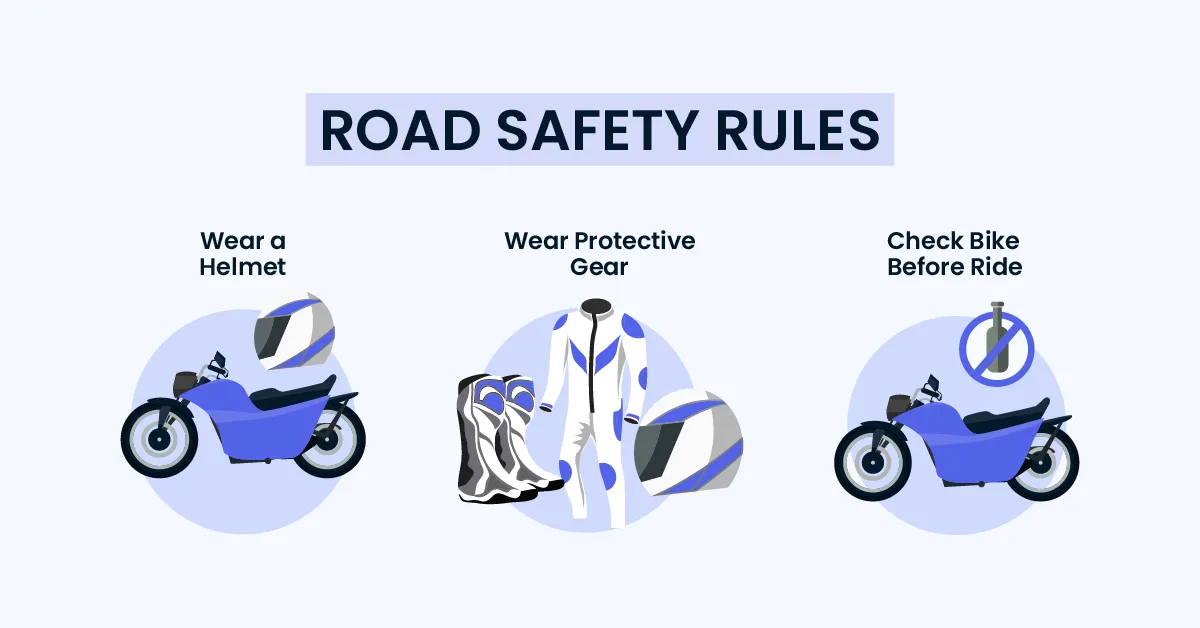
Suitable protective gear minimizes injury risks during traffic incidents. Approved safety helmets remain the most critical piece of protective equipment. UAE laws mandate proper helmet use for all motorcycle operators.
Employers should provide full protective kits tailored to daily working conditions.
| Protective Item | Primary Safety Function |
| Approved Helmet | Protects the head during impacts and falls |
| High-Visibility Vest | Improves visibility during night hours and fog |
| Riding Gloves | Protects hands and improves handlebar grip |
| Safety Boots | Supports ankles and prevents foot slip |
| Reinforced Jackets | Guards skin against abrasion during falls |
Riders must inspect their equipment daily. Worn or damaged gear requires immediate replacement to ensure full protection on the road.
Daily Motorcycle Inspection Procedures
A poorly maintained motorcycle endangers the rider and other road users. Regular inspections prevent mechanical failures and unexpected breakdowns.
Riders should perform quick functional checks before starting every shift:
- Test front and rear brakes for immediate responsiveness.
- Check tyre pressure and inspect tread depth for wear.
- Verify headlight, taillight, and indicator functionality.
- Adjust side mirrors for clear rear visibility.
- Inspect the delivery box attachment for stability.
Drivers must report mechanical faults to supervisors right away. Vehicles with faulty brakes or bald tyres should stay off the road until repaired. Regular servicing keeps fleets running safely and extends vehicle life.
Heat Protection Standards During UAE Summers
Extreme thermal conditions create severe hazards for outdoor workers in the UAE. High summer temperatures cause dehydration, exhaustion, and heatstroke if unmanaged.
The UAE government enforces a mandatory midday break policy. Direct outdoor work under sunlight is prohibited between 12:30 PM and 3:00 PM from June 15 to September 15. Employers must adjust delivery schedules to respect these statutory rest periods.
Companies must provide access to clean drinking water and shaded rest areas. Riders should drink fluids regularly throughout their shifts.
Workers must learn to recognize heat illness symptoms:
- Sudden dizziness or lightheadedness
- Excessive sweating followed by dry skin
- Severe muscle cramps or physical weakness
- Nausea, confusion, or headache
Riders experiencing these symptoms should stop in a cool place immediately and request medical support.
Navigating Severe Weather Conditions Safely
Weather conditions in the region can change quickly. Dust storms reduce visibility, while occasional heavy rain makes asphalt slick and hazardous. Strong winds can easily unbalance lightweight delivery bikes.
Riders must reduce speed when atmospheric conditions deteriorate. Increasing following distance provides extra reaction time during sudden stops.
Employers should monitor weather warnings continuously. Managers must instruct riders to pause deliveries when severe sandstorms or heavy rains create extreme road hazards. Delayed orders are always preferable to dangerous accidents.
Emergency Communication and Incident Protocols
Fast communication saves lives during road emergencies. Delivery companies should establish clear contact procedures for accidents and mechanical breakdowns.
Riders need immediate access to operational support channels. Emergency protocols should clearly define what steps to take after an incident:
- Move to a safe location away from oncoming traffic if possible.
- Contact local emergency services directly if injuries occur.
- Inform the company support team about the exact location.
- Document the scene safely using mobile photos.
- Wait for official traffic authorities to arrive.
Modern mobile apps allow riders to share live locations instantly. The UAE eCall system also connects drivers to emergency response units automatically after serious collisions.
Preventing Mobile Phone Distractions
Mobile navigation apps help riders find delivery addresses quickly. However, handling a smartphone while driving increases accident risks dramatically.
Riders must secure their phones in sturdy handlebar mounts before moving. Setting voice navigation allows drivers to keep their eyes on the road.
If a rider needs to recheck an address or call a customer, they must pull over safely. Stopping near the curb prevents dangerous distractions during movement.
Managing Personal Security and Customer Interactions
Personal security involves handling customer interactions professionally. Riders meet dozens of new individuals every day. Most deliveries proceed smoothly, but conflict resolution skills remain valuable.
Riders should follow basic personal safety rules:
- Wear official uniforms and display company identification clearly.
- Maintain a polite and calm demeanor during interactions.
- Avoid arguments with unhappy customers and escalate issues to supervisors.
- Report unsafe or poorly lit delivery locations to management.
Clear communication policies help keep interactions safe and professional.
Protecting Belongings and Equipment Against Theft
Riders handle valuable items, including consumer goods, company equipment, and occasional cash payments. Securing these items prevents theft and operational loss.
Delivery boxes must remain locked during transit. Riders should park in well-lit, designated spaces and turn off engines whenever leaving the motorcycle.
Companies increasingly prefer digital payment methods over cash. This shift reduces the financial risks carried by individual riders during their shifts.
Injury Reporting and Legal Compliance
Workplace injuries must be documented properly. Prompt reporting ensures riders receive appropriate medical care and legal protections.
UAE labor guidelines require companies to report severe workplace accidents to the Ministry of Human Resources and Emiratisation within 48 hours. Early incident tracking helps managers identify hazardous routes and correct safety issues quickly.
Supporting Candidates From Overseas Markets
Recruitment and staffing agencies play a central role in preparing foreign workers for local road conditions. Candidates researching jobs in Uganda or reviewing jobs in Uganda today often look for clear international employment pathways.
People exploring jobs jobs in Uganda need accurate details about working abroad. Transparent agencies explain physical demands, climate conditions, and safety duties before candidates sign contracts.
Responsible agencies provide comprehensive briefings covering:
- Accurate descriptions of daily riding duties
- Clear details about provided protective equipment
- Explicit contract terms and salary structures
- Information regarding accommodation and safety support
Simba Requirement helps connect talented international workers with reputable employers. Their structured outsourcing solutions ensure candidates receive full support, safety preparation, and clear employment terms before entering the workforce.
Evaluating Employers Before Accepting Positions
Job seekers should carefully evaluate company safety standards before accepting delivery positions. Reputable businesses willingly answer questions regarding worker safety protocols.
Prospective employees should ask key questions during interviews:
- Does the company provide full protective gear free of charge?
- What schedule governs regular motorcycle maintenance?
- How does the business handle extreme heat and weather warnings?
- Is comprehensive safety training provided before the first shift?
- What emergency support channels exist for road incidents?
Written contracts should clearly list safety provisions, equipment allowances, and health coverage.
Professional Delivery Fleet Solutions
Businesses that require scalable delivery operations rely on specialized logistics providers. For instance, Simba Rider Delivery provides professional food delivery rider services built around speed, reliability, and scale. Their organized fleet network ensures hot meals arrive safely and on time while maintaining strict driver safety protocols.
Outsourcing delivery services helps companies scale operations without compromising safety standards. Professional providers handle driver training, gear distribution, and vehicle upkeep internally.
Daily Safety Checklist for Delivery Riders
A simple routine helps riders stay safe throughout their shifts.
+-------------------------------------------------------+
|                DAILY RIDER SAFETY CHECK               |
+-------------------------------------------------------+
|  [ ] Inspect brakes, tyres, lights, and mirrors.      |
|  [ ] Secure helmet and wear protective gear.         |
|  [ ] Review route and check weather forecasts.        |
|  [ ] Mount phone securely for voice navigation.       |
|  [ ] Carry adequate drinking water for heat protection|
|  [ ] Keep emergency contact numbers accessible.       |
+-------------------------------------------------------+
Following these daily steps reduces accidents and keeps riders secure.
Conclusion
A delivery job provides reliable income, but personal safety must come first. Wearing protective gear, inspecting motorcycles daily, and staying hydrated during hot weather build a secure working environment. Employers and workers share responsibility for enforcing traffic regulations and maintaining high safety standards across the region.